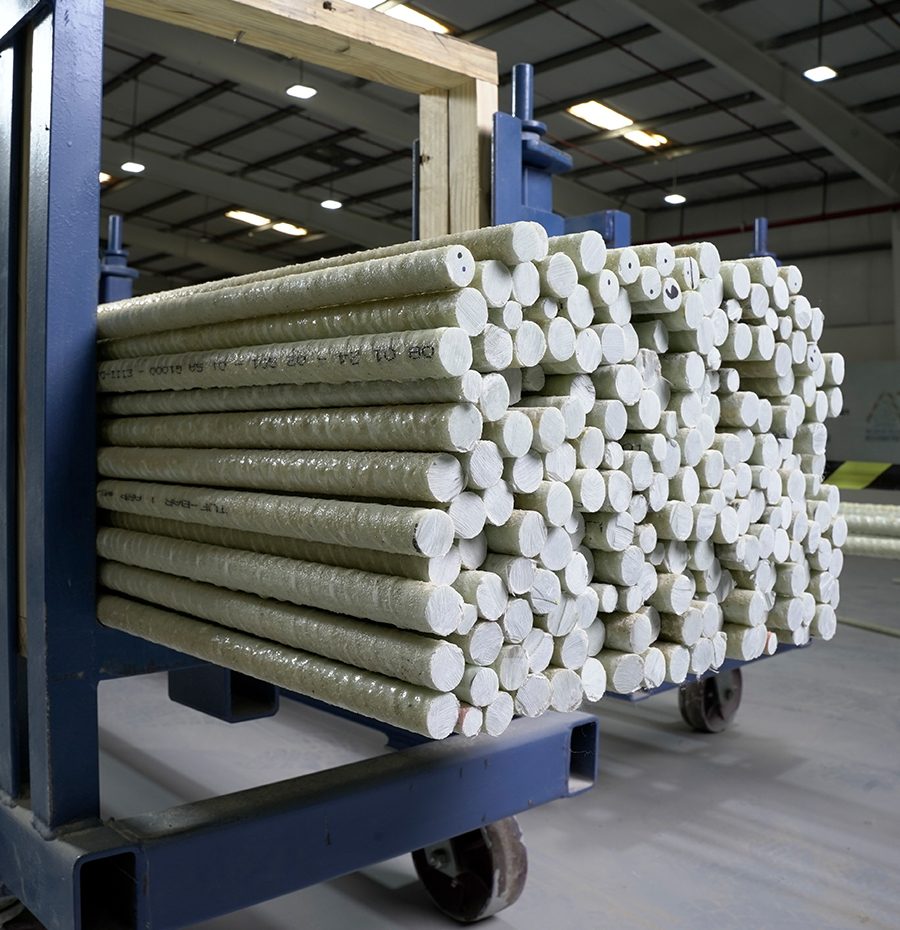
GFRP is revolutionizing the construction industry with its exceptional performance and long-term performance. Discover why engineers and developers are making the switch.
Corrosion Resistant: GFRP doesn’t rust — ideal for marine, coastal, and chemically aggressive environments.
Lightweight & Easy to Handle: Up to 80% lighter than steel, reducing transportation costs and simplifying installation.
High Tensile Strength: 3-4 times the tensile strength of steel, offering superior crack resistance and structural integrity.
Non-Conductive & Electromagnetically Neutral: Safe for use near sensitive electronics, MRI rooms, and power infrastructure.
Low Thermal Conductivity: Improves energy efficiency and eliminates thermal bridging in buildings.
Long Lifespan with Minimal Maintenance: Delivers up to 100 years of performance without deterioration.
Flexible Design Options: Easily fabricated into custom shapes and sizes to meet complex design needs.
Eco-Friendly & Sustainable: Reduces lifecycle carbon footprint and supports green building practices.
GFRP is not just a replacement for steel — it’s a smarter, future-ready alternative.
Typical GFRP Applications
GFRP is innovative, durable, and sustainable solution for any reinforced concrete application such as:
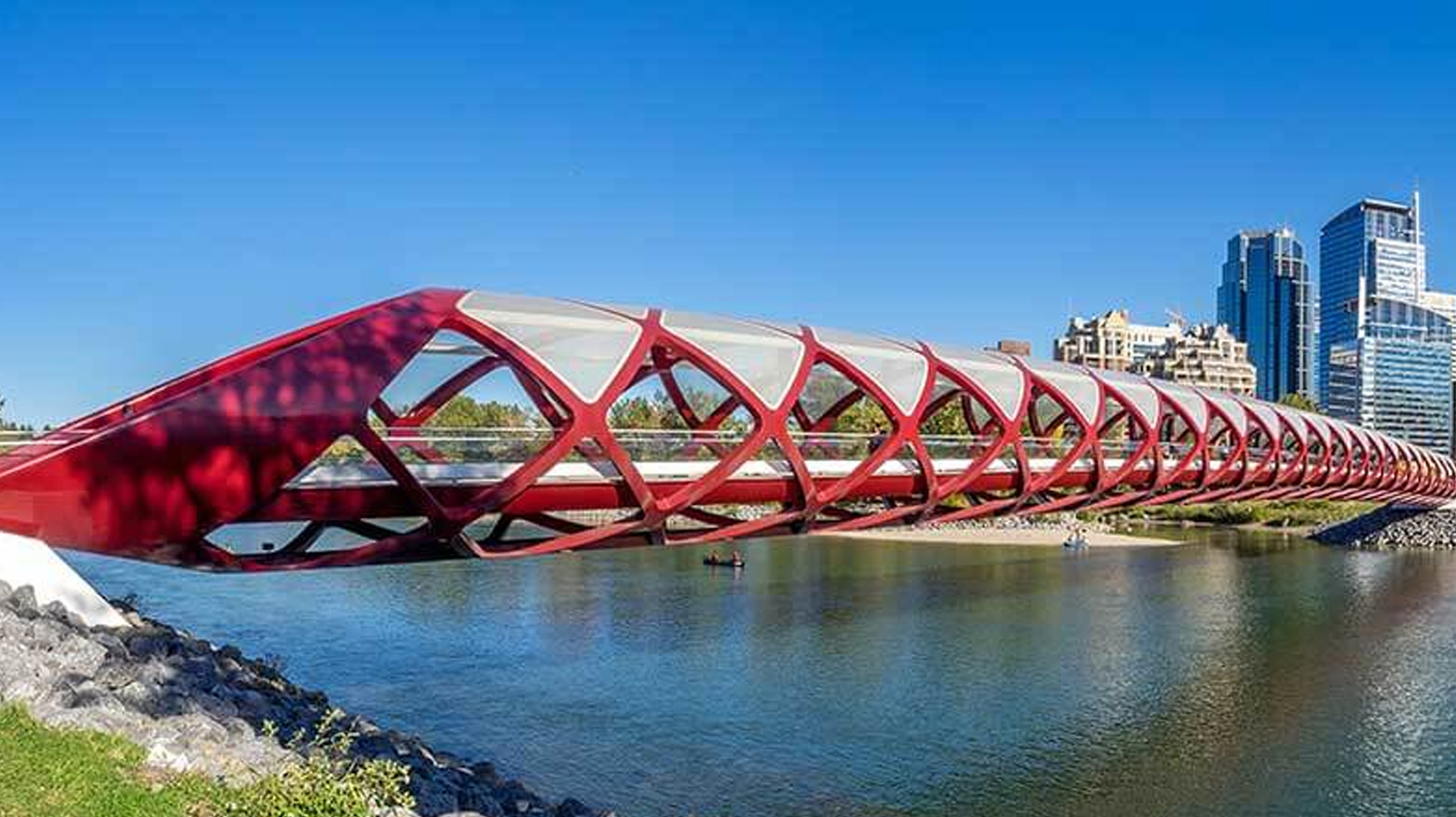
Bridges: Corrosion-resistant reinforcement for longer-lasting structures.
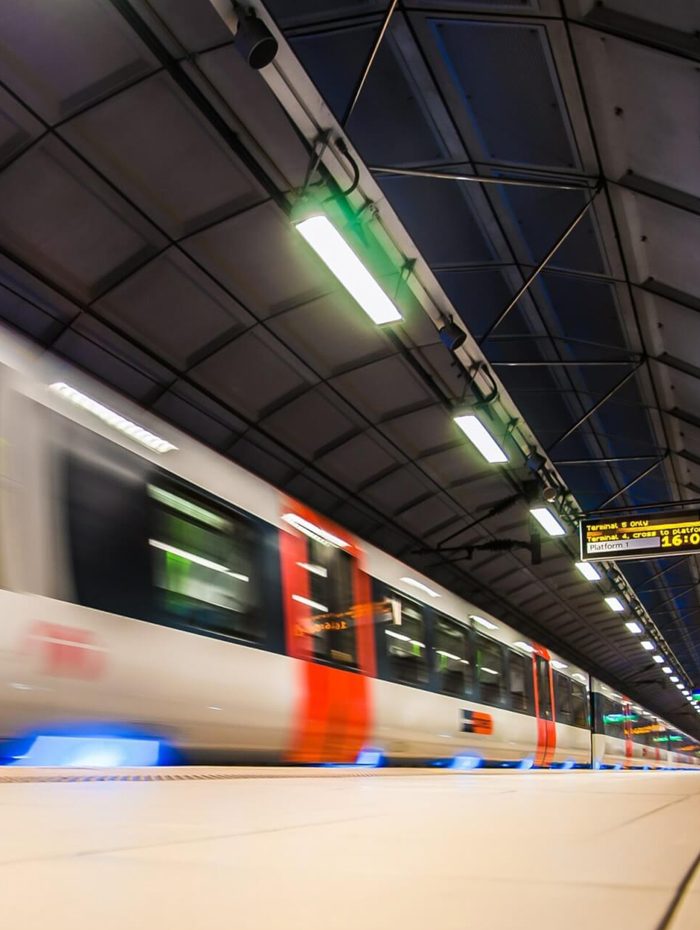
Tunnels: Durable, rust-free reinforcement for tunnel linings.
Marine Structures: Piers, docks, and seawalls benefiting from saltwater resistance.
Roads and Highways: Long-lasting, maintenance-free reinforcement for pavements and roads.
Building Foundations: Reinforcement for foundations that withstand moisture and chemicals.
Water Treatment Facilities: Eliminates the corrosion of steel reinforcement due to exposure to chemicals.
standards
ARP GFRP products are in compliance with the Saudi Standards (SASO), ARAMCO, and relevant ASTM and CSA Standards.